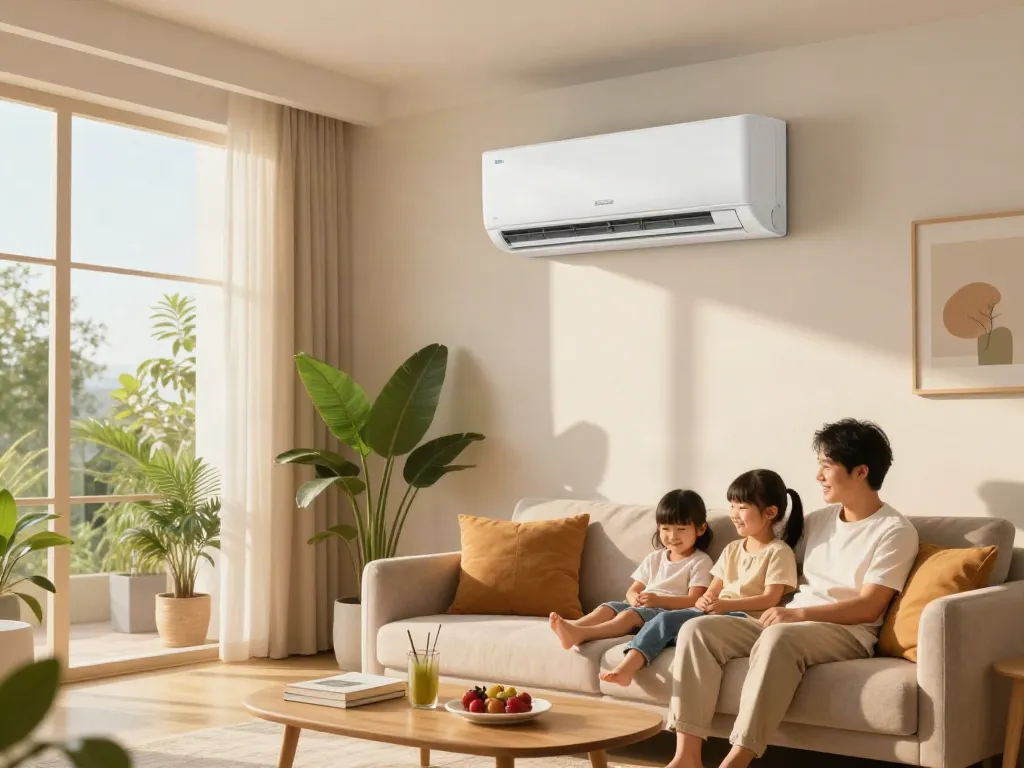
Understanding Ductless AC Systems
Ductless AC systems, commonly referred to as mini-split systems, have become a popular choice for homeowners seeking efficient cooling and heating options. Unlike traditional HVAC systems that rely on extensive ductwork, these compact units offer flexibility and effectiveness, making them ideal for various living environments. As consumers increasingly look for solutions that provide comfort without compromising aesthetics or energy efficiency, it's important to explore how ductless AC systems work and their advantages.
When exploring options, ductless ac offers comprehensive insights into the features and capabilities of these systems.
What is a Ductless AC?
A ductless air conditioning system is a modern solution for cooling and heating spaces without the need for ducts. This system consists of an outdoor compressor unit and one or more indoor units mounted on walls or ceilings. These indoor units can be controlled independently, allowing users to customize the temperature in different rooms, which is a significant advantage for homes with varying comfort needs.
Components of Ductless Systems
The primary components of a ductless AC system include:
- Outdoor Unit: This unit houses the compressor and condenser. It is typically installed outside the home and connects to the indoor unit via refrigerant lines.
- Indoor Unit: The indoor unit is responsible for circulating cool or warm air into the living space. It can be mounted on walls, ceilings, or even be portable.
- Refrigerant Lines: These lines connect the indoor and outdoor units, allowing the transfer of refrigerant for heat exchange between the two units.
- Remote Control: Most systems come with remote controls, giving users easy access to adjust settings and temperature preferences without having to get up from their seats.
How Ductless AC Works Efficiently
Ductless AC systems operate on the principle of heat exchange. The outdoor unit absorbs heat from the environment and transfers it to the refrigerant, which then travels to the indoor unit. The indoor unit releases cool air into the space, lowering the temperature. In reverse, it can also work to heat a room by extracting heat from inside and expelling it outside. This dual functionality makes ductless systems versatile, providing year-round comfort.
Benefits of Ductless AC
Energy Efficiency and Cost Savings
Ductless AC systems are known for their energy efficiency. They typically consume less energy than traditional HVAC systems because they avoid the energy losses associated with ductwork. According to the U.S. Department of Energy, duct losses can account for more than 30% of energy consumption for space conditioning in homes with forced-air systems. By eliminating ducts, homeowners can achieve significant savings on energy bills, especially during peak summer and winter seasons.
Improved Indoor Air Quality
Another notable advantage of ductless AC systems is the improved indoor air quality they offer. Traditional ducted systems can accumulate dust, allergens, and mold within the ducts, which can be distributed throughout the home every time the system operates. Ductless systems, on the other hand, reduce this risk by minimizing the number of components that can harbor pollutants, resulting in cleaner air for the occupants.
Flexible Installation Options
Ductless AC units are also praised for their flexibility in installation. They can be installed in various configurations, making them suitable for both new constructions and retrofitting projects. Homeowners can choose from wall-mounted units, ceiling cassettes, or floor-mounted options, depending on their space requirements and aesthetic preferences.
Common Misconceptions About Ductless AC
Noise Levels and Performance
One common misconception about ductless AC systems is that they are noisy. While it's true that there is some noise from the outdoor unit, modern models have been designed to operate quietly. Many units are equipped with noise-reducing technology that allows them to function at sound levels comparable to a refrigerator, ensuring a comfortable home environment.
Installation Complexity Myths
Many potential buyers worry about the complexity of installing ductless systems. However, the installation process is typically less invasive than traditional systems. A qualified technician can usually install a mini-split system in just a few hours, requiring only a small hole for the refrigerant lines to pass through the wall. This streamlined process makes ductless AC systems an attractive option for many homeowners.
Cost Comparisons with Traditional Systems
While the initial cost of ductless AC systems may be higher than traditional systems, their long-term savings often outweigh the upfront investment. The energy efficiency, reduced installation costs, and better indoor air quality contribute to a lower cost of ownership over time. Homeowners should consider both the short-term and long-term benefits when evaluating their options.
Choosing the Right Ductless AC for Your Home
Evaluating Capacity and Size
Choosing the right ductless AC system requires careful evaluation of the space it will be cooling. Proper sizing is crucial to ensure optimal performance. Systems that are too small will struggle to cool or heat a space effectively, while those that are too large can lead to increased humidity and energy waste. Consulting with a professional can help homeowners determine the correct capacity based on the square footage and layout of their home.
Essential Features to Look For
When selecting a ductless AC system, it’s important to consider features that enhance its effectiveness. Look for units with:
- Inverter Technology: This technology allows the compressor to adjust its speed according to the cooling demand, leading to energy savings and more consistent temperatures.
- Programmable Thermostats: Units with programmable settings allow homeowners to create schedules that maximize energy efficiency.
- Wi-Fi Capability: Smart features enable users to control their systems remotely, making it easier to adjust settings from anywhere.
Planning for Installation Costs
Installation costs can vary significantly based on the complexity of the setup, the number of indoor units being installed, and the specific features selected. Homeowners should budget for both the equipment and the installation labor. It's advisable to obtain multiple quotes from licensed HVAC professionals to ensure competitive pricing and reliable service.
Future Trends in Ductless AC Technology
Smart Features and Integration
The HVAC industry is witnessing a significant shift toward smart technology, with ductless systems leading the charge. Future models are expected to feature even more sophisticated integration with smart home systems. Enhanced control options through smartphones and voice-activated devices will make it easier for homeowners to manage their climate systems efficiently.
Enhanced Energy Regulations
As energy efficiency regulations become more stringent, ductless AC systems are expected to evolve further to meet these standards. Manufacturers are investing in research and development to produce units with higher SEER (Seasonal Energy Efficiency Ratio) ratings, which will provide even lower operational costs and a reduced environmental impact.
Predictions for the Market in 2026
By 2026, the ductless AC market is poised for significant growth as more homeowners recognize the benefits of these systems. Increased awareness of energy efficiency and indoor air quality is likely to drive demand. Furthermore, innovations in technology and design will continue to improve performance, making ductless systems a preferred choice for residential and commercial applications alike.
What are the maintenance requirements for ductless AC systems?
Maintenance for ductless AC systems is relatively straightforward. Homeowners should regularly clean or replace the air filters to ensure optimal airflow and efficiency. Additionally, it's advisable to schedule professional maintenance at least once a year to check refrigerant levels, clean coils, and inspect electrical components.
Are ductless AC systems suitable for all home types?
Ductless AC systems are versatile and can be installed in various home types, including older homes without existing ductwork, new builds, or even commercial spaces. Their flexible design makes them suitable for houses of all shapes and sizes.
How much can I expect to save on energy bills with ductless AC?
While savings can vary depending on usage patterns and local energy costs, homeowners can generally save between 20-50% on energy bills when switching from traditional HVAC systems to ductless AC systems. The increased energy efficiency and reduced operational costs contribute significantly to these savings.
What are the ideal usage scenarios for ductless AC?
Ductless AC systems are ideal for a variety of scenarios, including:
- Room additions or renovations where ductwork installation is impractical.
- Older homes lacking existing ducts.
- Garages and workshops requiring zone control.
- Seasonal spaces such as cabins or guest houses where energy efficiency is a priority.
Can I install a ductless AC unit myself?
While some homeowners may attempt to install ductless AC units themselves, it is recommended to hire a qualified technician. Proper installation is critical for ensuring optimal performance and avoiding potential issues down the line. A professional will ensure that the unit is correctly sized, installed, and functioning efficiently.